Explore
22 ways how to loose money
22 ways how to loose money
We have created a list of 22 common mistakes on how you can lose money on investments.
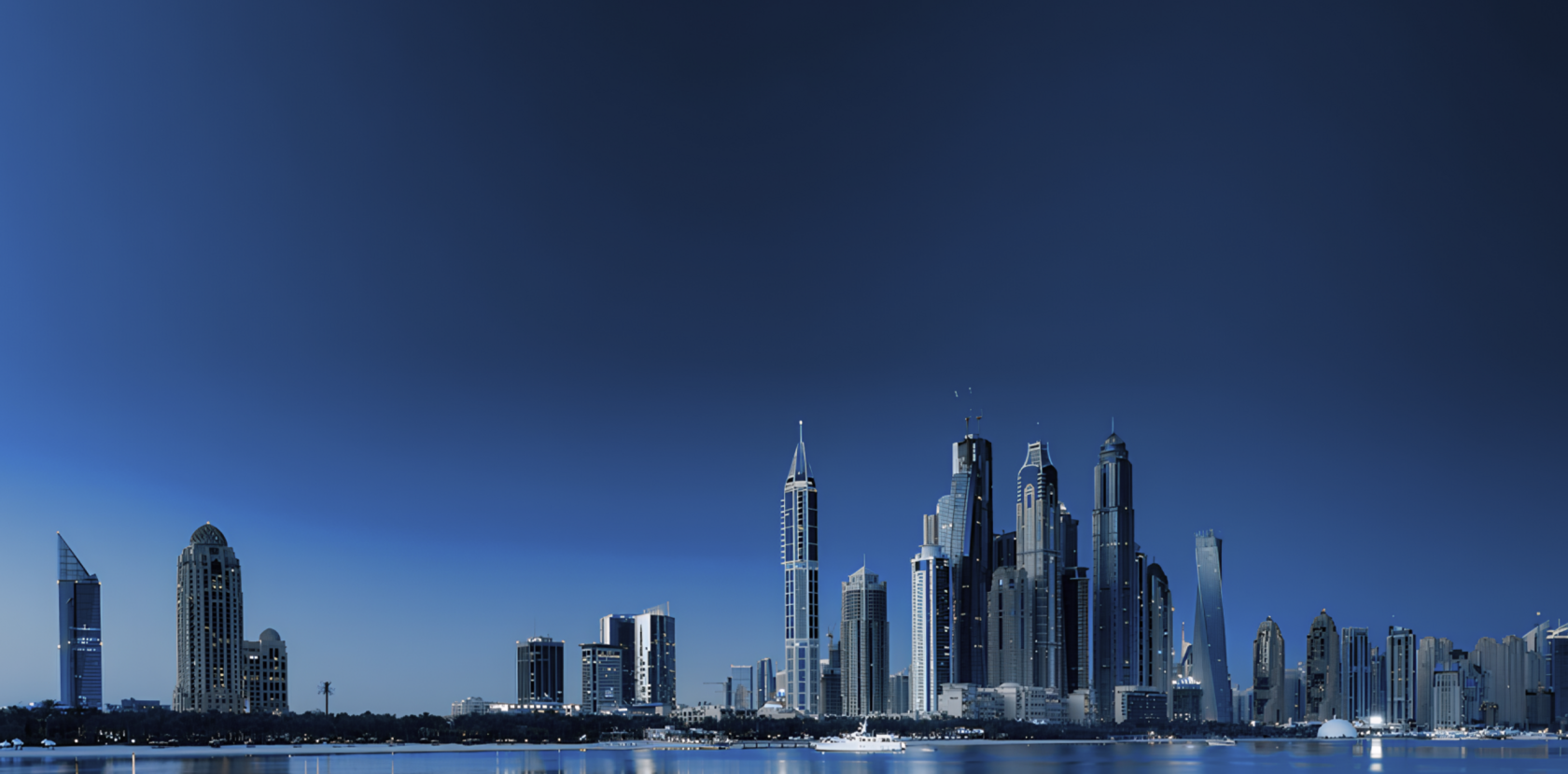
Dubai is one of the best investment markets in the world
There is only one problem in this market: unscrupulous brokers and fraudsters who mislead investors, causing them to lose money.
It damages the reputation of the Dubai market including unjustified rumors that this Dubai market is a "bubble about to burst" or that there is no profitability.
Our goal is to protect the reputation of the Dubai real estate market and help you avoid mistakes and increase your capital.
Over the past 2 years, we have made transactions for investors of more than $ 250 million, and our analysts have participated in transactions of more than $ 1.5 billion.
We know all the possible nuances that cause investors to lose money in the Dubai market, and we have compiled them for you in one convenient document.
It damages the reputation of the Dubai market including unjustified rumors that this Dubai market is a "bubble about to burst" or that there is no profitability.
Our goal is to protect the reputation of the Dubai real estate market and help you avoid mistakes and increase your capital.
Over the past 2 years, we have made transactions for investors of more than $ 250 million, and our analysts have participated in transactions of more than $ 1.5 billion.
We know all the possible nuances that cause investors to lose money in the Dubai market, and we have compiled them for you in one convenient document.
One of the lowest prices per square meter with the highest quality of real estate
Fast-growing GDP
and stable inflow of foreign investments
and stable inflow of foreign investments
Attractive yields
from 15% to 30% per annum
from 15% to 30% per annum
Record investments: in 2024, $6.5 billion was invested in Dubai, while only $1.7 billion was invested in London
The world's best rental yield,
according to Airbnb analytics
according to Airbnb analytics
Please, only with professionals. Enjoy watching!
You may take 10 minutes
to study this document and save yourself millions of dollars in losses.
to study this document and save yourself millions of dollars in losses.

To pay off someone else's debt to the developer
Mistake 1
It is not uncommon for an investor to close the seller's debts to the developer in order to further purchase the property, but the seller refuses the transaction, leaving the buyer with nothing.
Why is this happening?
1. Developers in Dubai offer installment plans (25%+25%+50%) to buyers for an object under construction without income verification.
2. It is not uncommon for buyers to default (there is no way to continue paying in installments), and penalties are accrued daily.
3. The developer has the right to sue, take the apartment and withhold early payments (or a high % commission on them).
4. Unscrupulous property owners (and their brokers), instead of selling the unit and exiting the deal, are looking for a “victim” who will pay the debt to the developer instead of the owner.
The scheme of fraud:
Why is this happening?
1. Developers in Dubai offer installment plans (25%+25%+50%) to buyers for an object under construction without income verification.
2. It is not uncommon for buyers to default (there is no way to continue paying in installments), and penalties are accrued daily.
3. The developer has the right to sue, take the apartment and withhold early payments (or a high % commission on them).
4. Unscrupulous property owners (and their brokers), instead of selling the unit and exiting the deal, are looking for a “victim” who will pay the debt to the developer instead of the owner.
The scheme of fraud:
- The owner of the property, who has a debt to the developer (or his broker), places an advertisement for the sale of the unit at a price below the market.
- An investor who is interested in the price is faced with the developer's condition, in which the sale of real estate is possible only if there is no debt owed by the “seller" to the developer.
- The buyer agrees to the terms of the developer and pays the debt of the “seller".
- The property owner takes the money and disappears, claiming that he did not intend to sell the property and does not know the buyer.
- The buyer is left without money and real estate.
Recommendation:
Be careful and try to avoid such situations, because it is extremely difficult to resolve this issue through the court as there is no 100% legal protection of the investor from this type of transaction, even if the contract is drawn up (except if the property was bought with a mortgage).
Be careful and try to avoid such situations, because it is extremely difficult to resolve this issue through the court as there is no 100% legal protection of the investor from this type of transaction, even if the contract is drawn up (except if the property was bought with a mortgage).
To buy a property in an initially illiquid building
Mistake 2
Investors risk buying property at an inflated price and then being unable to profitably exit this transaction.
How it happens:
Example. The investor purchased a unit in a facility that has been on sale for a long time.
One of these facilities is Dubai Pearl, which was announced in 2006 and began to enter the market in 2007. Despite its initial ambition, demand for this facility was low due to the high price per square meter compared to similar projects that offered a better value for money. Therefore, to this day, its units continue to be on sale at prices exceeding market prices due to unjustified expectations of investors.
How it happens:
- Very often, developers inflate prices for illiquid properties and offer brokers high commissions for their sale in order to make money from inexperienced investors.
- The broker, in turn, offers the client real estate assuring that its price will rise by 20-30% in the next couple of months.
- The buyer makes an initial payment in order to resell the unit in the near future and earn money from it.
- The broker immediately receives his commission and actually exits from the transaction, without participating in the further resale of the property.
- The unit's value is not growing, as the price is initially uncompetitive and there is no demand for it.
- As a result, an investor cannot sell a unit in this facility even with minimal benefit for himself (often, the object is sold at zero or at a loss).
Example. The investor purchased a unit in a facility that has been on sale for a long time.
- The buyer purchased the apartment from the developer with a good discount.
- As it turned out, the units in this facility have been on sale for 2 years and many have purchased them for 30-40% cheaper.
- At the time of completion, this property (already secondary) has become much cheaper than the value that the investor put in it.
- At the time of exiting the deal, the investor found himself in an uncompetitive position and got away with less, while those who bought a unit in this facility earlier were able to sell it profitably due to the difference in value.
One of these facilities is Dubai Pearl, which was announced in 2006 and began to enter the market in 2007. Despite its initial ambition, demand for this facility was low due to the high price per square meter compared to similar projects that offered a better value for money. Therefore, to this day, its units continue to be on sale at prices exceeding market prices due to unjustified expectations of investors.
Recommendation:
Work with professional analysts who will carefully analyze the market and tell you which properties are not worth buying in order not to lose money.
Work with professional analysts who will carefully analyze the market and tell you which properties are not worth buying in order not to lose money.
To face a top-up from a broker
Mistake 3
Investors who do not understand the market and do not know how to analyze information run the risk of buying property at an inflated price if agents resell properties that they have previously bought or reserved.
How it happens:
If the investor had known about analytics services in advance, he would not have got into this situation, because it is easy to compare the price of this unit with similar or the same characteristics in this project, in neighboring ones, or in other projects of the same developer.
How it happens:
- A real estate agency reserves or buys a unit from a developer at a market price (however, the fact of the transaction is not always shown in the registry).
- Almost immediately, the agency offers the same unit to the client with a mark-up of 20% of the initial cost.
- The client invests money in real estate, not knowing that its initial value was significantly lower.
- The agency earns a commission and takes the difference in price for itself, making additional profit at the expense of the client.
- As a result, the client bought the property at a significantly inflated price, which considerably reduces its investment potential (or does not exist at all).
If the investor had known about analytics services in advance, he would not have got into this situation, because it is easy to compare the price of this unit with similar or the same characteristics in this project, in neighboring ones, or in other projects of the same developer.
Recommendation:
Explore basic services such as the DBX Interact paid platform, which will help you analyze prices and property data in the Dubai real estate market and make more informed investment decisions.
Explore basic services such as the DBX Interact paid platform, which will help you analyze prices and property data in the Dubai real estate market and make more informed investment decisions.
To give money to a broker with a fake power of attorney
Mistake 4
Example: An investor made an advance payment for an object in Bluewaters to a "broker" who worked under a fake power of attorney
The scheme of fraud:
The scheme of fraud:
- The buyer is looking for a property and turns to a broker to complete the transaction.
- The "broker" is a fraudster who issues a fake power of attorney, allegedly issued by the owner of the facility.
- With the help of false documents, the broker convinces the buyer to make an advance payment by check in his name.
- The "broker" quickly cashes the check in the bank and disappears.
- The buyer remains without money and without real estate, as the transaction was fictitious.
- The real owner does not even suspect that his property was illegally "sold".
How can this be avoided?
- Ideally, transfer money for the object either to the property owner or directly to the developer.
- You can transfer money to a broker only if you know and trust him well. If you are not familiar with the broker, then there is a risk of losing money.
- If you transfer money to a broker by means of power of attorney, then be sure to check its authenticity.
Working with a broker on a recommendation without checking the documents
Mistake 5
In the Dubai market, it is always worth conducting a thorough analysis of not only the facilities, but also the people you work with.
In 2022, a situation occurred when an investor lost a large amount of money when buying an apartment through an unchecked broker.
How this happened:
In 2022, a situation occurred when an investor lost a large amount of money when buying an apartment through an unchecked broker.
How this happened:
- The investor turned to a broker who was recommended by his friend, a famous guy from Russia, justifying this recommendation by the fact that she has been on the market for 13 years and they had a business relationship with.
- The broker offered a very profitable option: an apartment in Emaar Beachfront at a price of 550 thousand dollars instead of 770 thousand. The broker justified the favorable price by saying that it was a reassignment, and the property owner urgently needed money.
- The broker did not show the apartment itself to the investor, arguing that it was being renovated, but since the broker was on the recommendation of a trusted person, the buyer did not suspect any fraud.
- The investor came to the broker's office, gave the full cost of the apartment - 550 thousand dollars in cash to the broker and signed the documents for the purchase of real estate.
- When the delivery of the building was delayed for six months and the investor became suspicious, the broker assured him that everything was in order and, to reassure the buyer, wrote a check in the name of the investor in the amount of 550 thousand dollars.
- When the situation did not change and the broker continued to “offer jam tomorrow” to the investor, the buyer went to the bank and found that the broker's account from which the check was issued had been blocked for a long time.
- As a result, the investor turned to lawyers, who said that there were many criminal cases against this person for such fraud.
Recommendation:
always check the reputation of a realtor, even if he was recommended by friends, do not agree to a deal without seeing the property and sign an official contract detailing the terms before transferring the money.
always check the reputation of a realtor, even if he was recommended by friends, do not agree to a deal without seeing the property and sign an official contract detailing the terms before transferring the money.
To expect a quick resale of the unit during the construction phase and money that is not available now.
Mistake 6
Often, investors' expectations do not match the brokers' real promises, which creates a high risk of financial losses if one hopes for a quick sale and the opportunity to avoid full payment before exiting the deal.
How it happens:
This may be aggravated by the fact that:
Example. A woman from Russia lost more than half of the invested funds:
How it happens:
- Brokers assure investors that it is possible to invest 50% of the cost in a unit under construction, resell it in 2-3 months and get a return of 25% on the invested funds.
- The investor pays up to 50% of the initial payment, hoping to find the money to pay the balance in the future or quickly resell the object so as not to make monthly payments further. At the same time, the investor often does not have the funds available to make the next payment.
- Over time, prices for facilities under construction grow slowly, demand for them does not increase, and the investor does not have the opportunity to continue making payments for real estate.
- As a result, the investor is forced to sell his unit at cost or below it, so that the developer does not sue the property and does not withdraw all previously invested funds.
This may be aggravated by the fact that:
- sometimes brokers offer to invest not in one object, but to divide it into several objects;
- as a result, there are financial obligations for several facilities at the same time, which the investor cannot close;
- and the broker earns several times more on this transaction than he would have received from the sale of 1 object.
Example. A woman from Russia lost more than half of the invested funds:
- The broker advised to buy 2 objects in 1 house, which is often an investment mistake.
- The woman did not have the financial means to pay monthly payments.
- The property had to be sold for 17% lower than the purchase price and minus 6% of the additional cost of the property.
- As a result, more than 50% of the invested funds were lost.
Conclusion:
only 10% of the properties are sold during construction, while the remaining 90% are sold after completion. Therefore, it is important to work with analysts who will help you assess the risks and opportunities for a quick sale.
only 10% of the properties are sold during construction, while the remaining 90% are sold after completion. Therefore, it is important to work with analysts who will help you assess the risks and opportunities for a quick sale.
To invest in an object whose developer regularly disrupts the completion dates
Mistake 7
There are 3 types of developers regarding the deadlines for the completion of facilities:
Therefore, there is a risk that you will enter into a deal with a developer who has not previously handed over facilities, or did, but regularly disrupted the deadlines for its completion.
If you have started working with a developer who hands commissions facilities ahead of schedule, it is important to remember that you will have to pay the entire balance of funds for the property before the construction is completed, so perhaps you will need the required amount of money earlier than you planned.
Examples of developers who often commission their properties ahead of schedule:
We conduct analytics on all developers in Dubai and know the specifics of each of them and the general experience in Dubai as a whole.
And, of course, at the stage of work we will be able to warn you about possible risks.
- Sets the construction time, taking into account risk management, and hands over the facility a few months earlier.
- He rents the object exactly on time or with a minimum delay (up to six months).
- Promises a short deadline, but it constantly delays the completion of the facility from 1 year to several years.
Therefore, there is a risk that you will enter into a deal with a developer who has not previously handed over facilities, or did, but regularly disrupted the deadlines for its completion.
If you have started working with a developer who hands commissions facilities ahead of schedule, it is important to remember that you will have to pay the entire balance of funds for the property before the construction is completed, so perhaps you will need the required amount of money earlier than you planned.
Examples of developers who often commission their properties ahead of schedule:
- Emaar Properties — is known for commissioning projects earlier, as in the case of Dubai Creek Harbour, which was planned for 2025, but was completed in 2024;
- Aldar Properties — although it operates more in Abu Dhabi, their Aljada project was commissioned a year earlier: completion was planned in 2023, but actually took place in 2022;
- Sobha — The Sobha Hartland complex, located in Mohammed Bin Rashid Al Maktoum City, which includes villas and apartments, was completed in 2019, several months ahead of schedule.
We conduct analytics on all developers in Dubai and know the specifics of each of them and the general experience in Dubai as a whole.
And, of course, at the stage of work we will be able to warn you about possible risks.
To buy an initially illiquid unit
Mistake 8
One of the most common mistakes investors make is investing money in an illiquid unit.
An illiquid unit is a property that is difficult to sell or lease due to low demand from final users.
The final user usually wants to live in an ideal place for him according to all the characteristics.
Low demand from the end customer may be due to the unit's unattractive characteristics:
Examples of how investors lost money due to unattractive characteristics of view:
Example 1. View of the roadway
The client bought a two—room apartment from Emaar on sale for 3 million dirhams on the podium floor, not knowing that the view from the windows in the apartment overlooks the parking lot - the broker deliberately concealed this fact.
Currently, similar apartments in the same building are valued at 4.2 million dirhams, but the client has not been able to sell his property for even 3 million dirhams for six months, for which he initially bought this unit.
Example 2. View of the parking lot
At about the same time, 2 investors purchased the same apartment in the JLT district, only one investor had a view of the picturesque greenery for 2.5 million AED, and the other had a view of the noisy roadway, the second unit was 10% cheaper, the investor decided to save money, because the layout and the district are the same, only the characteristics of the view differ
As a result, the investor, who has the view of parks and greenery, sold his unit for 3 million AED and the one who has a road permit can't sell it even for 2.3 million AED for more than 9 months.
An illiquid unit is a property that is difficult to sell or lease due to low demand from final users.
The final user usually wants to live in an ideal place for him according to all the characteristics.
Low demand from the end customer may be due to the unit's unattractive characteristics:
- view
- number of floors
- metric area, number of rooms, etc.
Examples of how investors lost money due to unattractive characteristics of view:
Example 1. View of the roadway
The client bought a two—room apartment from Emaar on sale for 3 million dirhams on the podium floor, not knowing that the view from the windows in the apartment overlooks the parking lot - the broker deliberately concealed this fact.
Currently, similar apartments in the same building are valued at 4.2 million dirhams, but the client has not been able to sell his property for even 3 million dirhams for six months, for which he initially bought this unit.
Example 2. View of the parking lot
At about the same time, 2 investors purchased the same apartment in the JLT district, only one investor had a view of the picturesque greenery for 2.5 million AED, and the other had a view of the noisy roadway, the second unit was 10% cheaper, the investor decided to save money, because the layout and the district are the same, only the characteristics of the view differ
As a result, the investor, who has the view of parks and greenery, sold his unit for 3 million AED and the one who has a road permit can't sell it even for 2.3 million AED for more than 9 months.
Therefore, before buying a property, it is necessary to realize:
While there is no answer to these and other questions, it is not worth buying a property.
- Will people want to buy this unit from me later?
- Who will want to buy my property?
- What benefits will my customer get?
- For what sum of money will they be willing to buy this unit from me?
While there is no answer to these and other questions, it is not worth buying a property.
Conclusion:
the unit must be competitive compared to similar options in the same facility.
the unit must be competitive compared to similar options in the same facility.
Not to take into account the high level of competition in this or a similar facility nearby
Mistake 9
High competition always reduces your investment potential, and to avoid this, let us give you a couple of examples.
Example 1. Similar facilities nearby
If similar properties are located or are being built next to the property you want to invest in, this creates high competition for further resale of real estate.
The market may become saturated with similar offers, price dumping will begin, and it will be much more difficult for you to sell your property at a bargain price.
And if you planned to sell within 2-3 months, then with high competition, this period may take up to a year or a year and a half.
Example 2. An object with a large number of units
It is also worth paying attention to the number of housing units in large projects such as Shoba Hartland. There are a lot of apartments in this complex, and this has led to a situation where supply significantly exceeds demand and owners begin to lower prices in order to sell their properties faster.
Example 1. Similar facilities nearby
If similar properties are located or are being built next to the property you want to invest in, this creates high competition for further resale of real estate.
The market may become saturated with similar offers, price dumping will begin, and it will be much more difficult for you to sell your property at a bargain price.
And if you planned to sell within 2-3 months, then with high competition, this period may take up to a year or a year and a half.
Example 2. An object with a large number of units
It is also worth paying attention to the number of housing units in large projects such as Shoba Hartland. There are a lot of apartments in this complex, and this has led to a situation where supply significantly exceeds demand and owners begin to lower prices in order to sell their properties faster.
Recommendation:
it is important to analyze in advance how many units have already been put up for sale and what the general market situation is. The optimal number of units to avoid oversupply depends on the specific location and demand at the moment, but it is better to choose projects with a moderate volume of offers in order to protect your investment from risks.
it is important to analyze in advance how many units have already been put up for sale and what the general market situation is. The optimal number of units to avoid oversupply depends on the specific location and demand at the moment, but it is better to choose projects with a moderate volume of offers in order to protect your investment from risks.
Not to consider wholesalers in the building
Mistake 10
Investors often overlook the influence of wholesale buyers. This is when one investor or group purchases multiple units in the same building at a big discount and puts them up for sale at a low price.
How it happens:
Dumping can last for a long time, up to a year, which will lead to the fact that your property will not be sold for a long time and you will face additional maintenance costs and the annual return that you expected will be unattainable.
How it happens:
- An investor buys 10 or even 20 units on one floor at a significant discount from the developer, as he has acquired a large volume.
- Next, this investor puts his apartments up for sale at a much lower price, explicitly dumping.
- If your unit, for example, costs 1.5 million dirhams, and this wholesaler puts up his own for 1.4 million, potential buyers will certainly prefer a better deal.
Dumping can last for a long time, up to a year, which will lead to the fact that your property will not be sold for a long time and you will face additional maintenance costs and the annual return that you expected will be unattainable.
Recommendation:
before investing, it is important to analyze the competition and the presence of wholesalers, as well as find out how many units belong to one owner and what are the sales conditions. This will help you make more reasonable choices and protect your investments.
before investing, it is important to analyze the competition and the presence of wholesalers, as well as find out how many units belong to one owner and what are the sales conditions. This will help you make more reasonable choices and protect your investments.
Purchase multiple units in one facility at once
Mistake 11
When investing in real estate, it is necessary to carefully evaluate attractive wholesale offers from developers, as they may contain illiquid objects, which can significantly reduce your expected profit.
How it happens:
How it happens:
- Developers or brokers often offer investors several units in one building at attractive prices.
- Such discounts on units often accompany the sale of illiquid real estate, which may include units with poor views, a small area, or an inconvenient layout, which makes them less attractive to tenants and buyers.
- Investors perceive this as a profitable wholesale offer, although in fact, paired with a liquid unit, they are offered an illiquid.
- As a result, in order to sell or lease such facilities, you will have to lower the price. Your profits will decrease and your maintenance costs will increase.
Recommendation:
purchase liquid units in various projects and choose objects and units with high demand. This ensures that your property will be easier to sell or rent out, providing investment income.
purchase liquid units in various projects and choose objects and units with high demand. This ensures that your property will be easier to sell or rent out, providing investment income.
To choose a project with an insufficiently developed infrastructure
Mistake 12
One of the main factors that affects the interest of end users in your property is the infrastructure of the project and the district as a whole: restaurants, schools, gardens, shopping malls, transport interchanges and much more.
End users choose areas that are ready for settlement and a comfortable life. Restaurants, shopping malls, sports complexes, kindergartens, convenient road junctions, and so on are important to them.
It is important to them that most of the facilities in the selected project are commissioned in order not to live in permanent construction, so investors often lose profitability, because the project looks great in the pictures, but it will become so in 2-3 years and it is necessary to wait until the infrastructure is rebuilt in order to sell in a plus.
One of the districts of Dubai where infrastructure is still under development is the Dubai Investment Park (DIP) district. The infrastructure in this area will only begin to develop in 2-3 years. This means that if your property is ready earlier, there may not be enough buyers for it, and it will be difficult to sell your property at a good profit.
End users choose areas that are ready for settlement and a comfortable life. Restaurants, shopping malls, sports complexes, kindergartens, convenient road junctions, and so on are important to them.
It is important to them that most of the facilities in the selected project are commissioned in order not to live in permanent construction, so investors often lose profitability, because the project looks great in the pictures, but it will become so in 2-3 years and it is necessary to wait until the infrastructure is rebuilt in order to sell in a plus.
One of the districts of Dubai where infrastructure is still under development is the Dubai Investment Park (DIP) district. The infrastructure in this area will only begin to develop in 2-3 years. This means that if your property is ready earlier, there may not be enough buyers for it, and it will be difficult to sell your property at a good profit.
Recommendation:
if you are looking for quick money, focus on projects with fprepared infrastructure, such as The Address Residence, where a wide range of services is already available.
if you are looking for quick money, focus on projects with fprepared infrastructure, such as The Address Residence, where a wide range of services is already available.
To expect ultra-high returns from subsequent rental housing
Mistake 13
Investors often expect a high rental income based on the promises of brokers. Many people talk about a yield of 12% per annum, such figures do happen, but they are super rare.
In practice, the rental yield may be significantly lower, with an average market figure of 5.5%. A decrease in profitability may be due to high costs, such as:
1) Service fees.
For example, in the elite 1/JBR complex, they can account for 20% of the annual income. For a one-room apartment rented for 100,000 AED per year, this will be 20,000 AED expenses.
2) Public utilities.
In Palm Jumeirah, water and electricity costs can reach 15,000 AED per year, which further reduces profits.
3) Taxes.
If an investor does not take into account tax obligations, their real income may decrease even more.
There are various strategies for working with the rental method of generating profitability, the simplest and most optimal is annual contracts. There are also successful cases of working through sites like Airbnb, but there are many nuances in choosing and working with the right management company, and this model requires more time from the investor.
In practice, the rental yield may be significantly lower, with an average market figure of 5.5%. A decrease in profitability may be due to high costs, such as:
1) Service fees.
For example, in the elite 1/JBR complex, they can account for 20% of the annual income. For a one-room apartment rented for 100,000 AED per year, this will be 20,000 AED expenses.
2) Public utilities.
In Palm Jumeirah, water and electricity costs can reach 15,000 AED per year, which further reduces profits.
3) Taxes.
If an investor does not take into account tax obligations, their real income may decrease even more.
There are various strategies for working with the rental method of generating profitability, the simplest and most optimal is annual contracts. There are also successful cases of working through sites like Airbnb, but there are many nuances in choosing and working with the right management company, and this model requires more time from the investor.
Recommendation:
carefully study how to rent out real estate in each facility offered by the broker and take into account all possible costs. This will help to avoid a situation where the expected return of 12% on rent turns out to be only 4% or even less.
carefully study how to rent out real estate in each facility offered by the broker and take into account all possible costs. This will help to avoid a situation where the expected return of 12% on rent turns out to be only 4% or even less.
To enter a loss-making flipping
Mistake 14
It is important to understand that it is not enough just to buy an object, make cosmetic repairs and sell it at a profit.
There are often mistakes that can lead to significant losses:
1) Not having a competent strategy significantly increases the risk of exiting the deal at zero or with minimal profit:
2) Improve what doesn't need to be improved.
For example, you can change tiles, a bathroom, or finish building unnecessary interior elements, because this does not always affect sales, but only leads to budget overruns for repairs.
3) Not to take into account additional costs:
4) Estimate the volume and duration of renovation, which often leads to unforeseen expenses for materials and a construction team.
There are dozens of sad cases of flippers who spent a lot of investor money, gave them expectations for profitability, spent their time, and in fact went to zero or even a slight minus.
There are often mistakes that can lead to significant losses:
1) Not having a competent strategy significantly increases the risk of exiting the deal at zero or with minimal profit:
- profitability analysis
- the sales model
- repair costs
- understanding the needs and mentality of the target audience
2) Improve what doesn't need to be improved.
For example, you can change tiles, a bathroom, or finish building unnecessary interior elements, because this does not always affect sales, but only leads to budget overruns for repairs.
3) Not to take into account additional costs:
- brokerage commission
- Property Transfer Tax (DLD) in the amount of 4%
- utility bills (Service Charge)
- electricity and water costs during the renovation
4) Estimate the volume and duration of renovation, which often leads to unforeseen expenses for materials and a construction team.
There are dozens of sad cases of flippers who spent a lot of investor money, gave them expectations for profitability, spent their time, and in fact went to zero or even a slight minus.
Recommendation:
it is important to conduct a detailed market analysis, take into account all costs and develop a strategy focused on the needs of end customers.
it is important to conduct a detailed market analysis, take into account all costs and develop a strategy focused on the needs of end customers.
To transfer money to a fraudster using a fake manager’s cheque
Mistake 15
There are situations when a manager's cheque (a bank check issued by a bank on his behalf, which is used for large payments, for example, when buying real estate) is forged and the payment is made not to the account of the developer or the owner of the property, but to the account of a broker who "helps" you to make a deal.
How it happens:
There were even scammers on the market who made the site. http://manager-chek.com/. They offered to pay for the client's real estate for a minimum commission like 0.1% and actively attracted brokers to their network. For the first few months, they actually made payments, until they collected enough money in their accounts at the moment, and one day they disappeared and deleted the site.
It is important to check information about brokers and intermediaries, use official banking channels, and engage professional lawyers or licensed agents before executing large monetary transactions.
How it happens:
- The broker forges the manager's check with disappearing ink (or alters the original), using the names of well-known banks to gain the trust of customers.
- Some fraudsters deceive into giving the impression of the ease of the transaction. For example, they may suggest "speeding up" the process and insisting on transferring money to a "secure" account. If you are being pushed to make a quick decision, this should alert you.
- The client transfers money to the fraudster's account, although he/she thinks that the money goes to the correct account — to the developer or the owner of the property.
- The broker withdraws money from his/her account on the same day and disappears.
There were even scammers on the market who made the site. http://manager-chek.com/. They offered to pay for the client's real estate for a minimum commission like 0.1% and actively attracted brokers to their network. For the first few months, they actually made payments, until they collected enough money in their accounts at the moment, and one day they disappeared and deleted the site.
It is important to check information about brokers and intermediaries, use official banking channels, and engage professional lawyers or licensed agents before executing large monetary transactions.
Recommendation:
Never transfer money to accounts that have not been discussed or confirmed with the seller or developer.
Never transfer money to accounts that have not been discussed or confirmed with the seller or developer.
Not to know possible special conditions from developers
Mistake 16
In Dubai, there are cases when investors bought apartments without knowing about possible discounts.
Example 1.
The investor bought a studio in the Dubai Marina project for 1.5 million dirhams, not knowing that the developer was offering a 20% discount on the first three apartments. The broker did not mention this discount, and the difference of 300,000 dirhams remained with him.
Example 2.
In the Business Bay residential complex, the developer provides a 10% discount on the installment balance upon early repayment. The investor, without knowing about it, paid the full amount. The broker did not tell about this option, and the investor lost money on overpayment.
In the Dubai market, many developers like Emaar and Aldar use such special conditions, but not all brokers disclose them and put the difference in their pockets.
Example 1.
The investor bought a studio in the Dubai Marina project for 1.5 million dirhams, not knowing that the developer was offering a 20% discount on the first three apartments. The broker did not mention this discount, and the difference of 300,000 dirhams remained with him.
Example 2.
In the Business Bay residential complex, the developer provides a 10% discount on the installment balance upon early repayment. The investor, without knowing about it, paid the full amount. The broker did not tell about this option, and the investor lost money on overpayment.
In the Dubai market, many developers like Emaar and Aldar use such special conditions, but not all brokers disclose them and put the difference in their pockets.
Recommendation:
do not allow brokers to manipulate information, always check for hidden discounts and installment terms before making a deal.
do not allow brokers to manipulate information, always check for hidden discounts and installment terms before making a deal.
Ignoring the terms of ownership and the legal aspects of the contract
Mistake 17
Without understanding the legal details, you risk being left without rights to your property after the construction is completed or facing restrictions on the sale or inheritance of real estate.
Example.
The investor acquired a unit in the VERDANA by Reporting Properties complex. He did not pay attention to the fact that the property is in leasehold conditions.
Leasehold is the right to lease real estate for a certain period of time, while ownership of the land remains with the landlord.
In some areas of Dubai, such as Al Quoz or Dubai Investment Park, most properties are offered only on leasehold terms. As a rule, local residents of Dubai live in these districts, it is necessary to understand this.
There are also districts in Dubai, for example, Dubai Marina or Palm Jumeirah, where it is possible to purchase real estate on a freehold basis.
Freehold is the right of ownership of real estate in full, which means that the owner has unlimited rights to the object and the land under it without time restrictions.
Example.
The investor acquired a unit in the VERDANA by Reporting Properties complex. He did not pay attention to the fact that the property is in leasehold conditions.
Leasehold is the right to lease real estate for a certain period of time, while ownership of the land remains with the landlord.
In some areas of Dubai, such as Al Quoz or Dubai Investment Park, most properties are offered only on leasehold terms. As a rule, local residents of Dubai live in these districts, it is necessary to understand this.
There are also districts in Dubai, for example, Dubai Marina or Palm Jumeirah, where it is possible to purchase real estate on a freehold basis.
Freehold is the right of ownership of real estate in full, which means that the owner has unlimited rights to the object and the land under it without time restrictions.
Recommendation:
Carefully check all the terms of the contract before buying, especially regarding the type of property.
Carefully check all the terms of the contract before buying, especially regarding the type of property.
To rent out/rent an object from a fraudster
Mistake 18
There are cases when a real estate owner rents out an object, and the tenant, using a forged power of attorney, illegally sublets it to third parties.
How it happens:
How it happens:
- The property owner finds a tenant and enters into a long-term lease agreement with him/her.
- The tenant agrees on the possibility of paying in several installments and makes an initial payment so as not to arouse suspicion.
- The tenant makes a fake power of attorney for the right to sublet the facility and starts looking for new clients.
- He/she takes an advance payment from the found clients for several months in advance or even for the entire rental period, after which he/she gives them the keys to the premises.
- One day, several tenants arrive to check in and discover that they have become victims of fraud. None of them has a legal right to be in this room.
- The owner of the property does not even suspect what has happened until he encounters the affected tenants. By this time, the fraudster had already disappeared with the money.
Recommendation:
check the tenant's documents and include a clause in the contract prohibiting subletting without the owner's consent.
check the tenant's documents and include a clause in the contract prohibiting subletting without the owner's consent.
To unknowingly purchase real estate in hotel apartments
Mistake 19
Many investors may underestimate the importance of carefully examining the type of property.
For example, a buyer unknowingly invested money in a facility in The Community - JVT, which turned out to be a hotel apartment, where he faced a number of unforeseen expenses:
As a result, instead of making a profit from the facility, the investor received a loss and experience.
For example, a buyer unknowingly invested money in a facility in The Community - JVT, which turned out to be a hotel apartment, where he faced a number of unforeseen expenses:
- landlords are required to pay a 5% rental tax
- the service fee is twice as high as in a regular apartment
- operational costs that significantly reduce investment profits
As a result, instead of making a profit from the facility, the investor received a loss and experience.
Recommendation:
before buying, be sure to familiarize yourself with the type of property, its features and financial obligations.
before buying, be sure to familiarize yourself with the type of property, its features and financial obligations.
Not to double-check the characteristics and class of the purchased property
Mistake 20
Before investing in real estate, it is important to remember that not all tempting offers correspond to reality.
For example:
For example:
- The investor received an offer from the broker to purchase a property in Stella Maris Tower with business class characteristics and at a low price
- The investor, relying on the broker's words and his promotional materials, does not check the details of the contract and purchases standard-class real estate, which should have been $100K cheaper.
- The investor is faced with reality when he receives the keys to the apartment, and realizes that this is not a business class, but standard housing, very different in quality and price.
- The investor is facing financial losses due to low demand for the property, which turned out to be less attractive to tenants and buyers, and is also experiencing difficulties with resale, since he/she cannot sell a standard property at a business class price.
Recommendation:
to avoid such mistakes, an investor should carefully study all the terms of the transaction, involve professionals for evaluation, check the documents and characteristics of the proposed facilities, and avoid hasty decisions based solely on promotional materials.
to avoid such mistakes, an investor should carefully study all the terms of the transaction, involve professionals for evaluation, check the documents and characteristics of the proposed facilities, and avoid hasty decisions based solely on promotional materials.
Transfer money to the developer's personal account
Mistake 21
A careless approach to checking the developer's accounts can result in serious losses for the investor. Study this case to understand how to avoid common mistakes and protect your investments.
Example:
As a rule, we are talking about those developers who are just entering the Dubai market. When working with established developers from the TOP 20, the probability of getting into a similar situation is almost zero.
Example:
- The investor saw an offer to buy a property with a 10% discount from the developer and, without hesitation, decided to invest the money, without checking the reputation of the developer, his previous projects and customer reviews, which is a key mistake when buying a new building.
- Instead of sending the money to an escrow account, which protects the interests of buyers and assumes that the funds will be used only for construction, the investor transferred the money to the developer's personal account.
- The developer, having received the money, can disappear with it or, even worse, use it for other purposes. There were cases when builders did not start construction at all.
- The investor has a risk of losing the invested money and generally being left without a real estate object.
As a rule, we are talking about those developers who are just entering the Dubai market. When working with established developers from the TOP 20, the probability of getting into a similar situation is almost zero.
Recommendation:
if this developer has not yet established himself in the market, then before making the payment, check the details and make sure that your money goes to the escrow account, which will ensure the protection of your funds and guarantee a refund if the developer does not start / finish construction.
if this developer has not yet established himself in the market, then before making the payment, check the details and make sure that your money goes to the escrow account, which will ensure the protection of your funds and guarantee a refund if the developer does not start / finish construction.
Not to double-check the real estate purchase agreement for the obligations of both parties
Mistake 22
It is necessary to pay attention to the following points of the agreement:
Example.
The investor signed a contract with a real estate agency without paying attention to its terms. Although this was a common step, there were important details in the contract that he hadn't noticed.
How this happened:
- payment terms, deadlines, and payment methods (including final ones) to avoid fines and loss of deposit and ownership rights
- deadlines for commission and conditions of compensation in case of violation
- rental rights and the absence restrictions
- the condition of the facility at the time of transfer and liability for defects
- the presence of encumbrances and claims from third parties to the property and much more
Example.
The investor signed a contract with a real estate agency without paying attention to its terms. Although this was a common step, there were important details in the contract that he hadn't noticed.
How this happened:
- The investor did not check the agency and the terms of the contract, which stated that the agency would be the sole representative for the sale of real estate.
- This limited his options and could lead to financial losses if the terms of sale were not suitable.
- If the market changes and the investor wants to sell his property, he will be trapped and will not be able to control the transactions on his own.
Recommendation:
always carefully study the terms of the contract and all points related to representation of interests before signing it.
always carefully study the terms of the contract and all points related to representation of interests before signing it.
explore investment opportunities!
For profitable real estate investments in Dubai and Abu Dhabi, contact us and we'll analyze and select the highest-yield opportunities for you.